What Goes Into a Modern Car Key Replacement
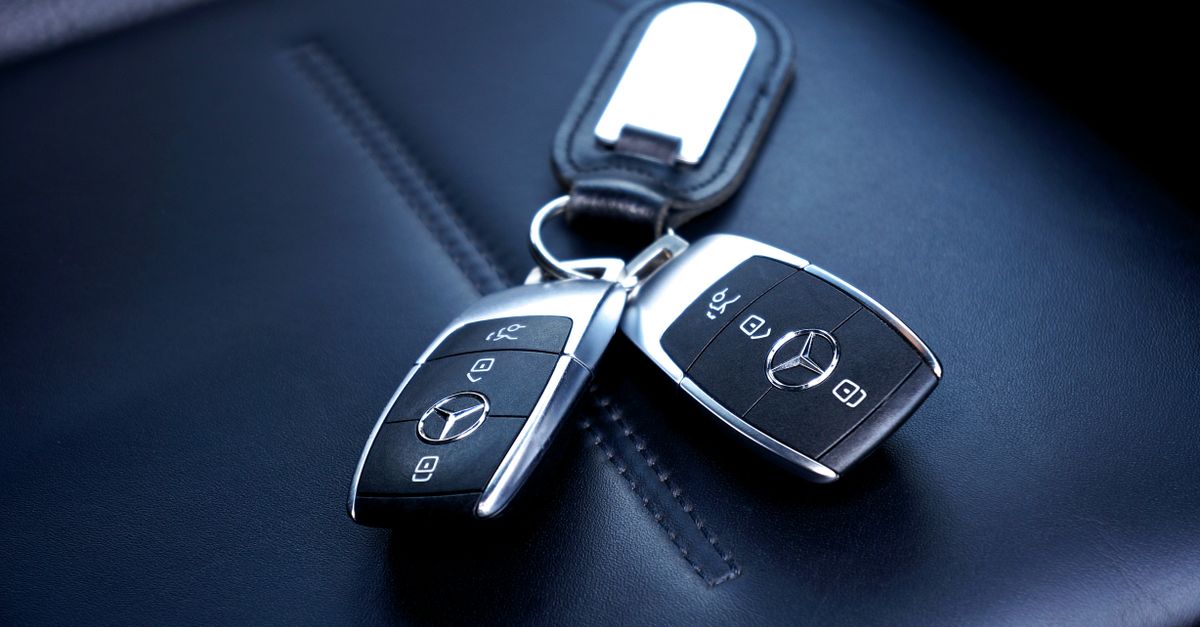
Not every key job is the same, and understanding the difference helps you know what to expect. A basic metal key for an older vehicle needs only the correct key blank and a code-cut or trace-cut on a precision cutter. Step up to a transponder key — standard on most vehicles from the mid-1990s onward — and we also need to clone or program a microchip to match your car's immobilizer. Proximity or smart keys add a radio-frequency layer that must be paired to the vehicle's body control module before the push-button start will recognize the fob. Our technicians diagnose which key type your vehicle requires before any work begins, ensuring the replacement functions correctly from the first turn of the wrist or press of the button.
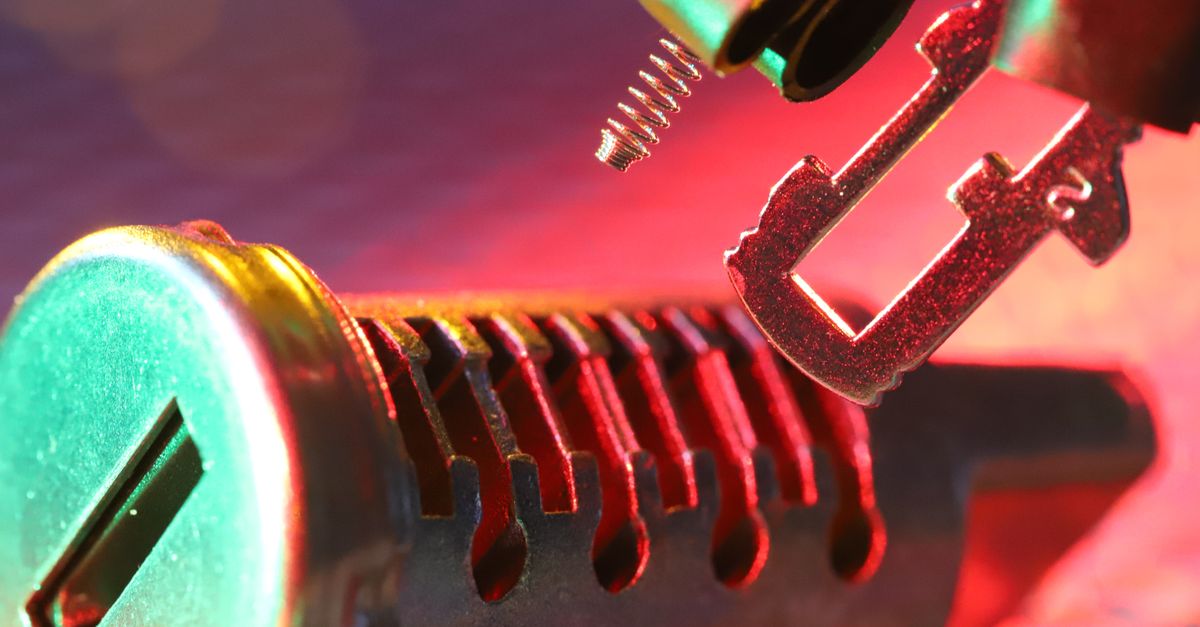
High-security laser-cut (also called internal-cut or sidewinder) keys — common on many European models and newer domestic trucks — require a specialized cutting machine that most hardware stores do not carry. We carry that equipment in our mobile units. We also handle proximity remotes that perform keyless entry and remote start functions separately from ignition authorization, meaning both the mechanical cut and the electronic pairing must be correct simultaneously. Getting either one wrong means the vehicle still will not start or the doors will not unlock remotely, which is why this work belongs with an experienced automotive locksmith rather than a generic copy shop.