How Master Key Systems Work: Levels, Hierarchy, and Control
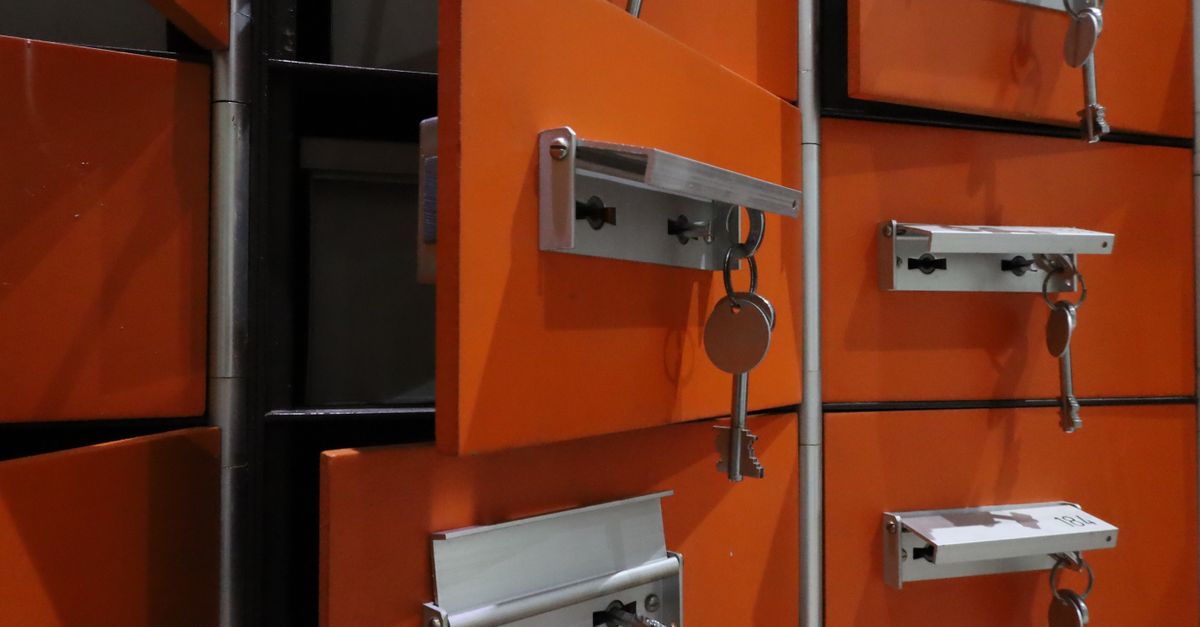
A master key system organizes your locks into a hierarchy. At the base level, each individual key opens only the specific door it is assigned to — an employee's office key, for example. One level up, a department supervisor might carry a sub-master key that opens every door within their department but nothing outside it. Above that, a grand master key carried by a facilities manager or building owner opens every lock in the entire system. Some organizations add a fourth tier — a great-grand master — for large campuses or properties with multiple buildings, such as a hospital complex or a university satellite campus. Every lock in this hierarchy is keyed to accept its own individual key plus every key above it in the chain, but never a key from a different branch.
The real power of this setup is that it replaces an unmanageable ring of dozens of keys with a clean, logical structure. A cleaning crew supervisor needs access to common areas and offices but not the server room — that is one sub-master. The IT manager needs the server room and equipment closets but not the executive suite — that is another sub-master on a separate branch. Access is granted by design, not by cutting extra copies and hoping for the best. Our locksmith team maps this hierarchy before a single lock is touched, so there are no surprises during installation.