What Lock Rekeying Actually Involves — and Why It Works
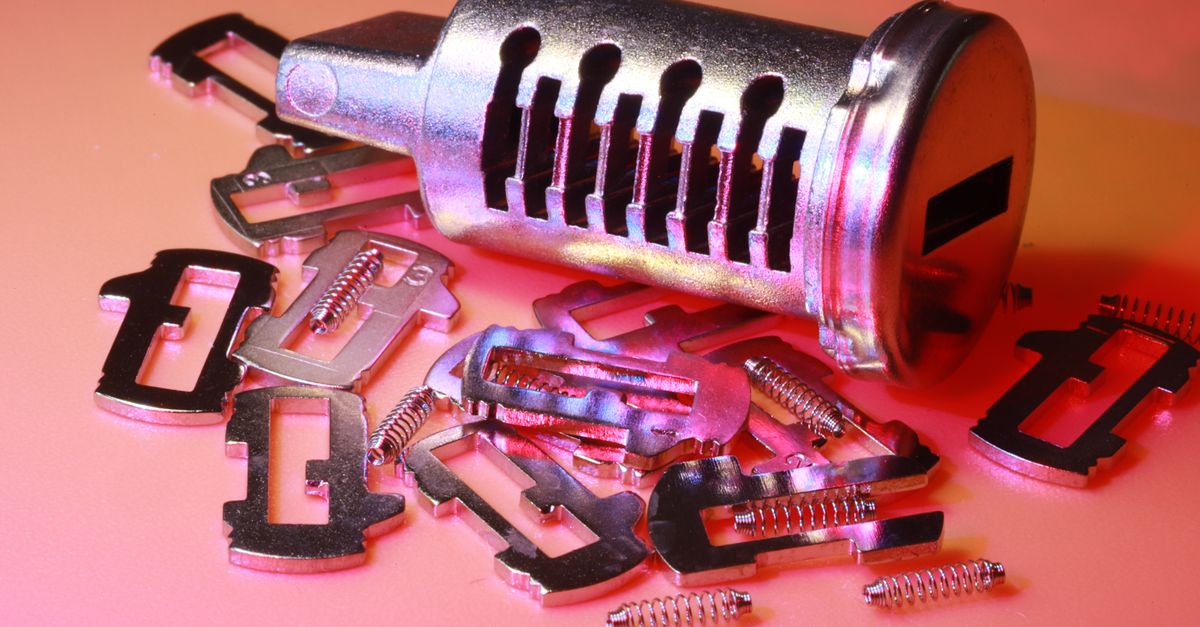
Inside every pin-tumbler lock — the most common type on Queens residential doors — is a stack of spring-loaded pins of varying heights. Your current key lifts each pin to a precise height that aligns the shear line and allows the cylinder to turn. When a locksmith rekeys that cylinder, they disassemble it, remove the existing driver and key pins, and install a new set of pins that corresponds to a completely different key cut. The old key becomes useless the moment the cylinder is reassembled. No drilling, no damage to your door frame, no need to repaint or patch anything — just a reconfigured cylinder and a new working key.
This process works on the vast majority of residential lock brands commonly found in Queens homes, including Schlage, Kwikset, Baldwin, and Medeco cylinders. Many older Jackson Heights and Woodside row houses still run multiple deadbolts and passage sets from different eras and manufacturers. Our locksmiths carry a broad inventory of replacement pin kits on every service van, so even mixed-brand households can often be fully rekeyed in a single visit without ordering parts.