What Makes Audi Key Replacement More Complex Than Other Vehicles
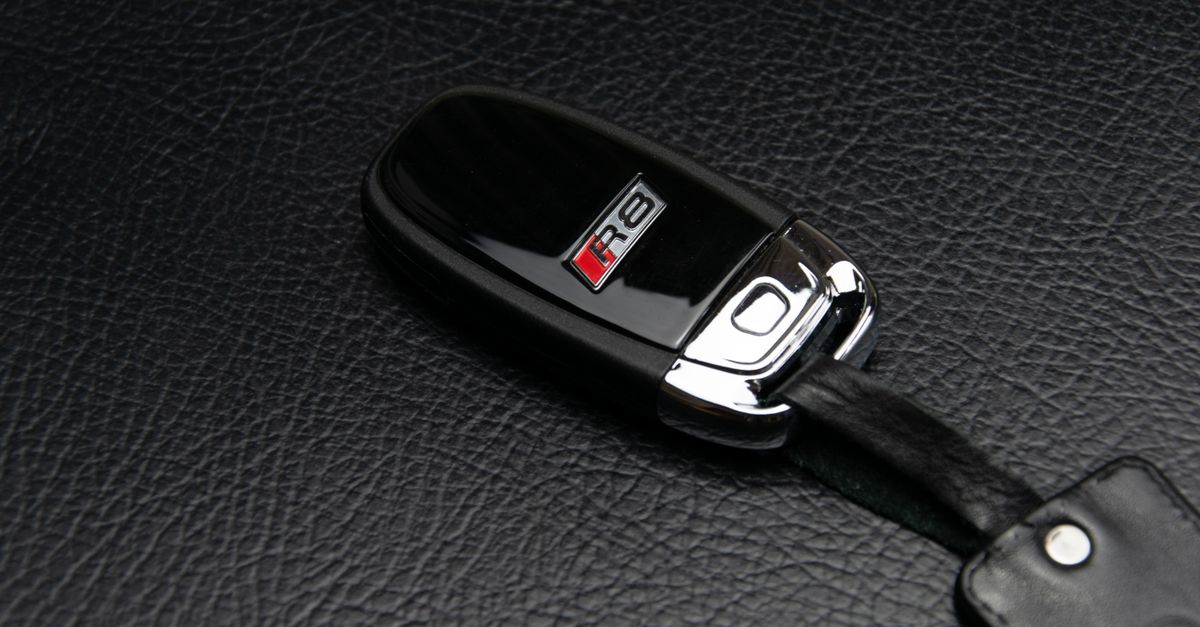
Audi has continuously evolved its vehicle security systems, and that evolution creates real challenges when a key is lost, stolen, or stops working. Earlier Audi models used a basic transponder chip embedded in the key blade — a passive device that communicates with the car's immobilizer to allow the engine to start. Replacing one of those keys requires not just cutting a new blade to the correct profile, but also reading the immobilizer data and programming the new chip to match. Without proper programming, a perfectly cut key will turn in the ignition and still leave you going nowhere. More recent Audi models use proximity-based smart keys and advanced key fobs with rolling security codes, encrypted communication, and in some cases, biometric or app-integration features. Every generation requires a different toolset and a different technical approach — which is why our technicians train specifically on Audi systems rather than applying a one-size-fits-all method.
Beyond the technology itself, Audi key replacements require OEM-compatible or equivalent key blanks that match the specific year, trim, and market of the vehicle. A key blank sourced for a European-market A6 may differ from a North American version of the same car. Our mobile locksmith unit carries a broad inventory of compatible blanks and the diagnostic interfaces needed to communicate with Audi's on-board systems, so we can handle the full replacement process right where your car is parked — whether that's a residential street in Jamaica, a commercial lot in Long Island City, or a parking structure in Bayside.