Why Ignition Cylinders Wear Out — and When It Becomes a Real Problem
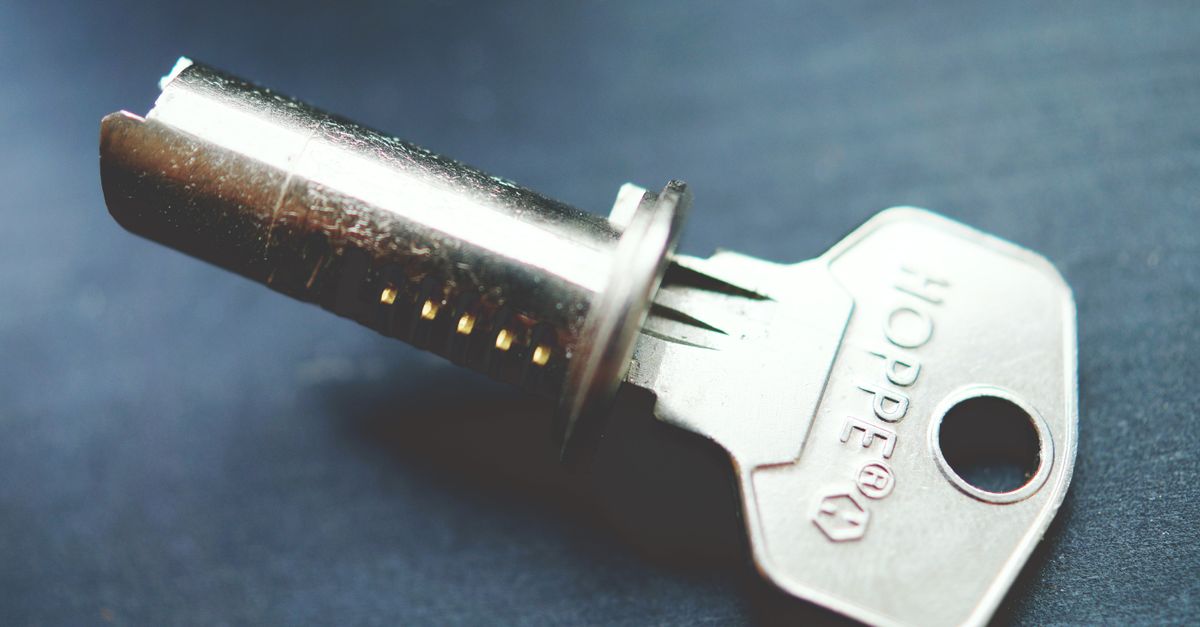
Every time you insert your key, the wafers or pins inside the ignition cylinder flex slightly to read the cuts on the blade. Over tens of thousands of cycles, those internal components wear down, springs lose tension, and the brass or aluminum housing develops microscopic play. Queens drivers put serious mileage on their vehicles — commuting through Hillside Avenue traffic, idling on the Van Wyck, or making multiple short trips a day — and that daily wear accelerates the timeline considerably. Add in the occasional wrong-key attempt or a key that's itself worn, and the cylinder can deteriorate faster than most owners expect.
Common warning signs include a key that suddenly requires extra force to turn to the 'start' position, a cylinder that doesn't spring back to 'run' after starting, intermittent electrical failures tied to the ignition switch behind the cylinder, or a key that simply won't release when the car is off. Ignoring these symptoms risks a complete lockout at the worst possible moment, or — in some cases — a situation where the vehicle won't shut off at all. A professional locksmith evaluation at the first sign of trouble is always the smarter path.