What Makes Chevrolet Car Key Replacement More Complex Than You'd Expect
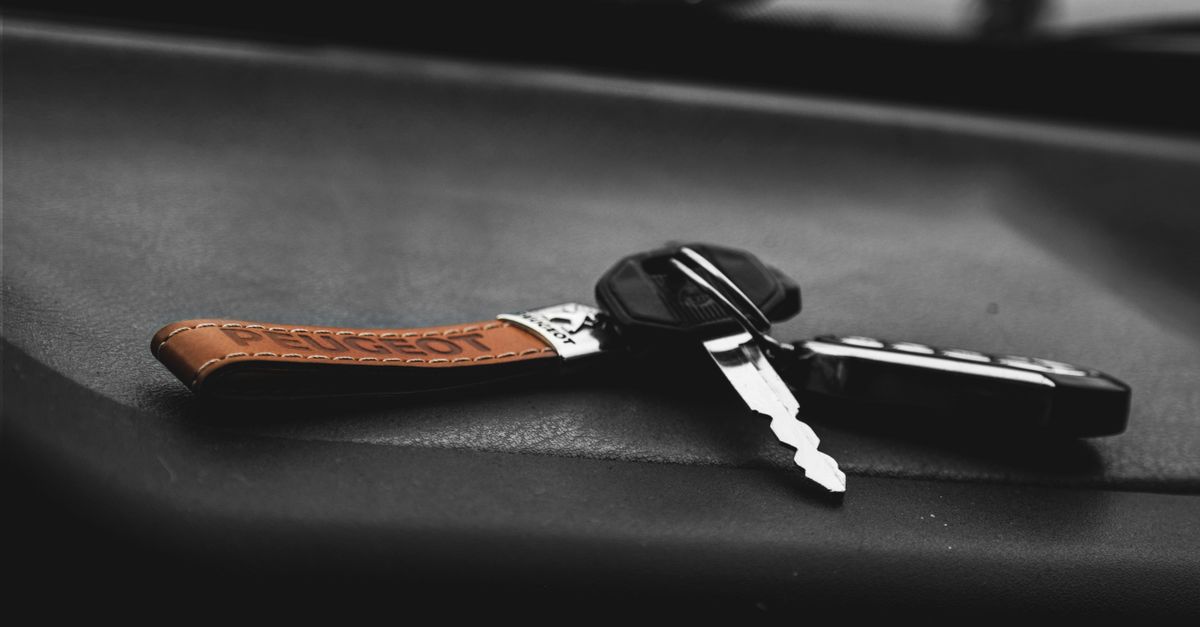
Chevrolet has moved well beyond the simple metal key of earlier decades. Vehicles from roughly the mid-1990s onward use transponder keys — keys with a micro-chip embedded in the plastic head that must be programmed to match your specific vehicle's immobilizer system. If the chip isn't recognized by the car's ECU, the engine won't start even if the key blade is cut perfectly. Newer Chevrolet models take this further with remote head keys (the fob and blade combined), standalone key fobs for push-to-start systems, and fully proximity-based smart keys that never need to leave your pocket. Each generation requires different cutting equipment and different programming protocols, which is why Chevrolet car key replacement isn't a job for a general-purpose key kiosk.
The Blazer EV, for example, uses a proximity smart key architecture that communicates continuously with the vehicle's access control system — a locked-out or lost-key situation with this vehicle requires a technician who has up-to-date programming tools for GM's latest platform, not just older OBD-II scanners. Our mobile units are stocked with current equipment and updated regularly, so whether your Chevy is a 2005 Cobalt or a brand-new Blazer EV, we have a path to getting you a fully functional key on the spot.