Bayside LOCKSMITH QUEENS
Locksmith Service

Panic Bar Installation

Commercial properties across Queens — from the busy storefronts along Jamaica Avenue to the multi-tenant office buildings near Long Island City — face a real compliance and security challenge when it comes to emergency egress. New York City's Building Code and fire safety regulations require most commercial doors to be equipped with approved exit devices, and the wrong hardware or a faulty installation can put your business, your employees, and your certificate of occupancy at risk. Bayside Locksmith Queens specializes in exit device work for Queens commercial clients, bringing the right hardware and hands-on expertise directly to your door.

Open 24 hours, 7 days a week · Licensed, bonded & insured

Whether you're outfitting a brand-new tenant build-out in Flushing, replacing worn push bars on a Jackson Heights restaurant, or upgrading a Rego Park office suite after a break-in, our mobile locksmith team handles the full job on-site — no need to pull your staff off the floor or wait days for a contractor. We're available around the clock, every day of the year, and we confirm an exact price before a single screw turns.

What we do

Available 24/7

Day, night, weekends and holidays — a real local locksmith answers and rolls a fully-stocked van.

Fast local response

Based in Queens, we reach the Queens area in well under an hour.

Insured & background-checked

Vetted technicians, up-front pricing, and no surprise add-ons when we arrive.

Damage-free entry

We pick and bypass locks the right way, so most lockouts are solved without drilling anything.

Exit Device Options We Install for Queens Commercial Properties — Bayside Locksmith Queens

What Panic Bar Installation Actually Involves — and Why It Matters for Queens Businesses

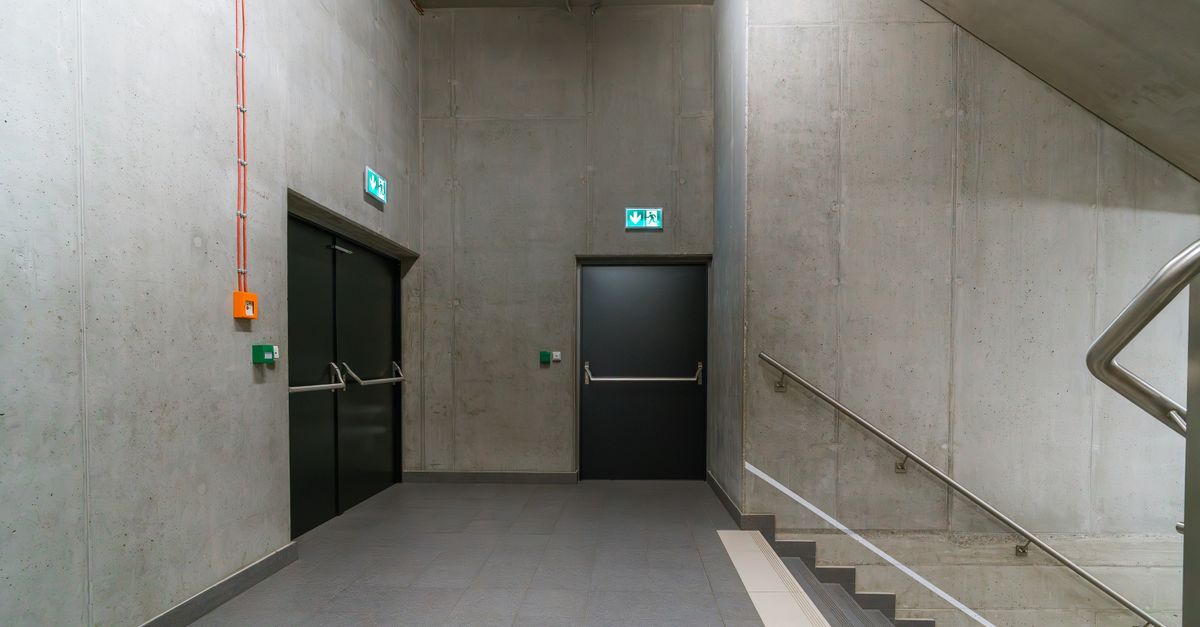
A panic bar — also called a crash bar or exit device — is a spring-loaded horizontal bar mounted across the interior face of a commercial exit door. When pressure is applied, the latch retracts and the door opens, allowing rapid egress without the user needing to turn a knob or operate a separate lock. Under NYC's fire and building codes, most assembly occupancies and commercial spaces with more than a specified occupant load are required to have compliant exit devices on designated egress doors. Getting this wrong isn't just a code issue — it's a liability issue. Our trained technicians assess your door type, frame material, and occupancy classification before recommending the right device, so the installation satisfies both the manufacturer's specs and local regulatory requirements.

The process involves measuring the door and frame precisely, selecting the correct trim and backset, mortising or surface-mounting the device depending on the door construction, aligning the strike plate, and testing the door's full open-and-close cycle under load. On hollow-metal commercial doors — common in Queens warehouses, school annexes, and medical offices — proper reinforcement of the mounting points is essential. Skipping that step leads to pull-through failures that void your warranty and leave the door vulnerable. Our technicians carry commercial-grade tools and a working inventory of commonly used exit device components, so most jobs are completed in a single visit.

Exit Device Options We Install for Queens Commercial Properties — Bayside Locksmith Queens

Panic Bar Installation, Replacement, and Repair: The Full-Service Difference

Installation is only part of what we do. Existing exit devices wear out — dogging mechanisms seize, push pads crack, latch bolts stop retracting cleanly, and surface-mounted rods on vertical-rod devices bend out of alignment. If your current crash bar is sluggish, loud, or failing to latch, that's a panic bar repair situation that needs attention before the next fire marshal inspection or, more importantly, before an actual emergency. Our mobile locksmith team diagnoses the specific failure point and, where possible, services the existing device without unnecessary replacement. When the hardware is genuinely beyond service life — corroded internals, damaged chassis, outdated rim-style devices on doors that now require a different standard — we handle panic bar replacement with minimal disruption to your business hours.

We also work with the full range of exit device configurations: rim devices, mortise-body devices, surface vertical rod, and concealed vertical rod. The panic bar with mortise lock configuration is particularly common in Queens retail corridors and office entries where the door also serves as a primary entrance — the mortise lock body handles the full cylinder entry function while the panic bar governs emergency egress. Aligning a panic bar mortise lock assembly correctly requires precision at every step: the mortise pocket depth, the cylinder cam alignment, the outside trim, and the door-frame gap tolerances all have to work together. Our technicians have hands-on experience with this specific configuration and carry compatible cylinder and trim options for on-site customization.

Exit Device Options We Install for Queens Commercial Properties — Bayside Locksmith Queens

Exit Device Options We Install for Queens Commercial Properties

Every commercial property has different demands, and the hardware selection matters. Here is a specific look at the exit device and related services our mobile locksmith team provides for Queens businesses: rim panic bar installation on hollow-metal and wood commercial doors, surface vertical rod panic bar installation on double-door pairs, concealed vertical rod exit device installation, panic bar with mortise lock installation and cylinder rekeying, exit device dogging and key-dogging hardware installation, electrified panic bar installation for access-controlled egress, electric strike pairing with exit devices on card-reader-controlled doors, exit device weatherstripping and door seal integration, panic bar pull-side trim installation (lever, knob, and push-pad configurations), fire-rated exit device installation on labeled fire doors, delayed-egress device installation with local alarm compliance, exit device strike plate and keeper installation and adjustment, panic bar alarm kit installation for single-point egress monitoring, door closer installation and coordination with exit device operation, door frame reinforcement and strike mortising on wood-frame doors, panic bar replacement on aging or non-compliant existing devices, panic bar repair including latch bolt servicing and push-bar realignment, crash bar installation on storefront aluminum-frame doors, exit device cylinder change and master key system integration, panic bar installation near me — same-day mobile response across all Queens neighborhoods, ADA-compliant lever trim installation on the entry side of panic bar doors, exit device inspection and adjustment for fire marshal compliance visits, glass door patch fitting and panic bar mounting on all-glass commercial doors, door coordinate and astragal installation on double doors with exit devices, and full exit device audit and written hardware recommendation for multi-door commercial facilities. If your specific configuration isn't listed, call 718-928-6801 — we answer 24/7 and will tell you directly whether we can handle it.

Exit Device Options We Install for Queens Commercial Properties — Bayside Locksmith Queens

Pricing, Scheduling, and What to Expect When You Call

Exit device work is not one-size-fits-all pricing, and we don't treat it that way. The final cost of any panic bar installation or repair job depends on several factors: the type and grade of device required, whether a mortise configuration is involved, the door material and current condition of the frame, whether electrical integration is part of the scope, any parts that need to be sourced, and the time of day — after-hours and emergency response calls are factored into the quote transparently. Travel distance within Queens is also a variable. What we commit to in every case is this: before any work begins, our technician will give you a complete, specific price for the full job. No surprise charges after the fact.

Scheduling is straightforward. Our mobile locksmith unit is dispatched from within Queens, keeping response times realistic for neighborhoods like Bayside, Astoria, Jamaica, Forest Hills, and everywhere in between. For planned commercial installations — new builds, renovations, portfolio-wide upgrades — we recommend calling ahead so we can confirm parts availability and coordinate with your site schedule. For urgent situations, including exit devices that are actively failing or doors that won't latch after a break-in attempt, we respond around the clock. All work is performed by insured, experienced technicians who treat your property with care and prioritize damage-free installation methods wherever the door and frame allow. Call 718-928-6801 any time — day or night, weekday or weekend, our team picks up.

Frequently asked questions

Do Queens businesses actually need a panic bar by law, or is it optional?

For most commercial occupancies in New York City, compliant exit devices on designated egress doors are required under the NYC Building Code and fire safety regulations, not optional. The specific requirement depends on your occupancy classification, occupant load, and whether the door is on a required means of egress. Assembly spaces, retail stores above a certain size, offices, and schools are typical examples of properties where exit devices are mandatory. If you are unsure whether your doors are currently compliant, our team can assess the configuration on-site and give you a clear answer. A fire marshal inspection finding a non-compliant door can result in violations and fines, so it is worth confirming sooner rather than later.

What is the difference between a rim panic bar and a panic bar with mortise lock?

A rim exit device uses a simple latch bolt that engages a surface-mounted strike on the door frame. It is the most common and straightforward configuration, typically used on single-function exit-only doors. A panic bar with mortise lock combines the horizontal push-bar egress mechanism with a full mortise lock body inside the door, which handles the cylinder-keyed entry function, deadbolting, and in some cases a latchbolt on the outside trim. The mortise lock panic bar setup is more common on doors that serve double duty — primary business entrances that also function as fire egress. The installation is more involved because the mortise pocket must be precisely cut into the door edge and all components must be aligned to operate together correctly. Our technicians handle both configurations and can help you determine which is appropriate for each door in your facility.

My existing crash bar is stiff and doesn't latch reliably. Can it be repaired, or does it need full replacement?

Many exit device problems are repairable without full replacement. Stiff push bars are often caused by a worn or dry pivot mechanism, a seized dogging latch, or a misaligned case. Latching failures can result from a bent latch bolt, a worn strike, or a door that has shifted in the frame. Our technicians diagnose the specific cause first. If the internal components are serviceable and the chassis is structurally sound, we will repair rather than replace. If the device has corroded internals, a cracked case, or is an outdated model that no longer meets current standards, we will explain that clearly and recommend replacement with a current-grade device. We do not push unnecessary hardware — the goal is the fix that solves the actual problem.

How long does a typical panic bar installation take on a commercial door?

For a straightforward rim device installation on a standard hollow-metal commercial door, an experienced technician can typically complete the job within one to two hours, including hardware alignment and testing. A panic bar with mortise lock installation takes longer because the mortise pocket preparation, case fitting, and cylinder alignment require additional precision — plan for two to four hours depending on door condition and configuration. Double-door setups with vertical rod devices or electrical integration add time as well. We will give you a realistic time estimate when you call, and we schedule accordingly so the job is done right rather than rushed.

What factors affect the price of a panic bar installation or replacement?

Several variables go into the final quote: the grade and configuration of exit device required (rim, mortise-body, vertical rod, electrified), whether parts are in stock on the truck or need to be sourced, the condition and material of the door and frame (a damaged frame may need reinforcement before the device can be mounted properly), whether electrical wiring or access control integration is involved, the time of day (after-hours and emergency calls are factored in transparently), and travel within Queens. We never give a vague estimate — before any work starts, our technician provides a specific, all-in price for the job as described. If scope changes once the door is opened up, we communicate that immediately and get your approval before proceeding.

Can you handle panic bar installation for a multi-door commercial building, or only single doors?

We work with properties of all scales — from a single exit door on a Flushing restaurant to a multi-floor office building in Long Island City needing a full exit device audit and installation across a dozen doors. For larger projects, we recommend an on-site consultation so we can assess each door's current hardware, frame condition, and compliance status, then provide a comprehensive recommendation. We can also integrate exit devices into an existing master key system or access control setup so that your keying hierarchy remains consistent across the property. Call 718-928-6801 to discuss the scope and we will coordinate accordingly.

Locked out or need a lock fixed? We are on the way.

718-928-6801