Bayside Locksmith Queens Service Team
Local locksmith team
Nov 1, 2026 9 min read
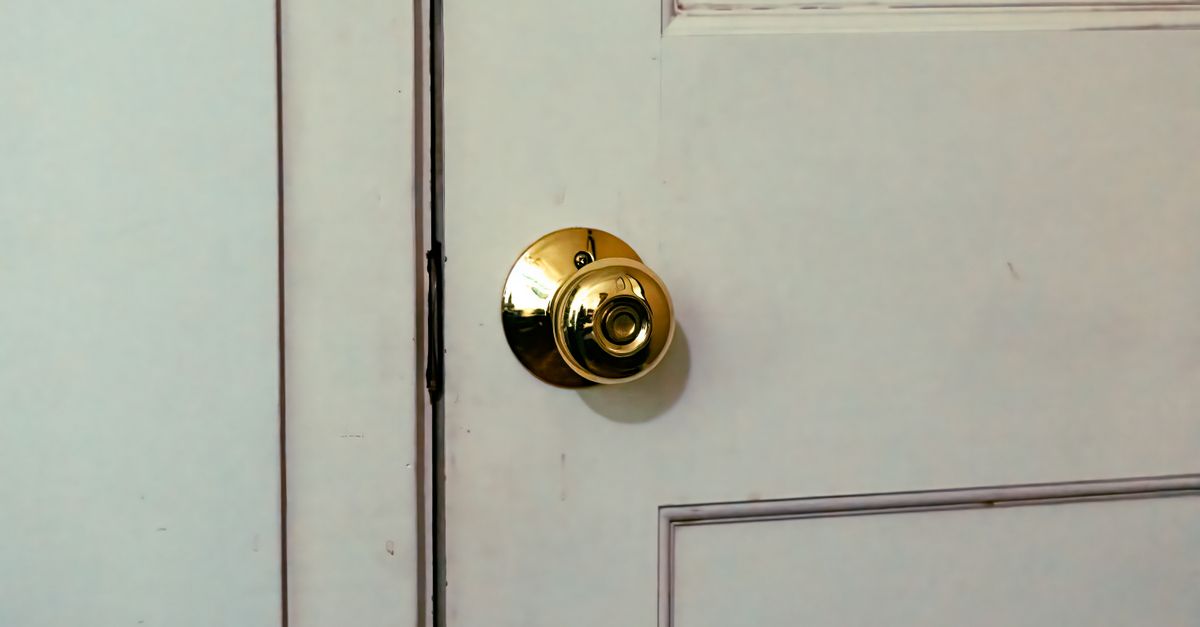
If you just moved into a co-op in Flushing or picked up a condo unit near Bell Boulevard in Bayside, the last thing you want is to install a brand-new deadbolt — only to get a letter from the building manager telling you to tear it out. Queens co-op and condo boards are serious about lock compliance, and for good reason: the wrong hardware can void your lease agreement, create liability issues for the building, and even get your lock drilled out at your expense.
This guide breaks down what Queens residential boards typically require when it comes to door locks, how to find out exactly what your building demands, and when to bring in a professional locksmith before you make a costly mistake. Whether you're a first-time co-op shareholder or a condo owner planning a renovation, knowing the rules ahead of time saves you time, money, and a very awkward conversation with your board.
## Why Queens Co-op and Condo Boards Set Lock Requirements at All
Co-ops in particular operate differently from standard rental buildings or owned homes. When you buy into a Queens co-op, you're purchasing shares in a corporation — not the apartment itself. That means the building's board has real authority over what gets installed on the unit door, which is technically part of the building's common property. Condo associations have similar rules, though they tend to be slightly less restrictive since you own the unit outright. Either way, the board's interest is straightforward: they want locks that their master key system can access in an emergency, that meet New York City fire and building codes, and that don't create security gaps for neighboring units.
In practice, this means boards often specify lock grade (ANSI/BHMA Grade 1 or Grade 2), cylinder type (many require a specific keyway or a restricted keyway so unauthorized key copies can't be made), and sometimes even the brand or model. Some buildings in Queens — especially older pre-war co-ops in Jamaica Estates or Forest Hills — have been on the same master key system for decades and require new tenants to stick within that ecosystem. Ignoring these rules isn't just a policy violation; it can mean your lock gets removed without notice during a building inspection.
## Common Lock Requirements You'll Find Across Queens Buildings
While every building is different, there are patterns that show up repeatedly across Queens co-ops and condos. First, most require a minimum of a Grade 1 deadbolt on the main entry door — that's the highest residential security rating under the ANSI/BHMA standard, meaning the lock has been tested to withstand significant force, picking, and drilling attempts. Brands like Schlage and Kwikset both manufacture Grade 1 deadbolts, but your board may specify one over the other, or require a specific product line entirely. Second, many buildings prohibit double-cylinder deadbolts (the kind that need a key on both sides) because they create a fire egress hazard — NYC fire code generally backs this up.
A third common requirement is that your lock must be keyed into the building's master key system, which means you can't just buy a lock off the shelf and install it yourself. The lock cylinder has to be pinned by a locksmith who either works with the building directly or is provided the master key specifications by building management. Some newer condo developments in Long Island City or Astoria have moved toward smart lock systems with app-based access, but they still typically require a mechanical backup and may restrict which smart lock platforms are approved. Finally, many buildings require that any lock change be reported in writing to management within 24 to 48 hours — and that a copy of the new key be provided to the super.
## How to Find Out Exactly What Your Building Requires Before Calling a Locksmith Queens
The single most important step before any lock installation or replacement is to get the requirements in writing from your building management or board. Start with your proprietary lease (for co-ops) or your condo association's house rules — both documents should have a section on alterations, which typically covers locks. If the language is vague, send a written request to management asking specifically about approved lock grades, brands, cylinder types, and whether the building maintains a master key system you must join.
Once you have that information in hand, share it directly with your locksmith before any work begins. At Bayside Locksmith Queens, we routinely work with building management specifications — we can confirm whether a product you've chosen meets the requirements, source the correct cylinder if master keying is needed, and provide documentation of the work for your building's records. Getting this coordination right the first time is far easier than having a non-compliant lock removed after the fact. If you're unsure where to start, call us at 718-928-6801 and we'll walk you through what questions to ask your building before we schedule the job.
## What Happens When a Lock Doesn't Meet Board Requirements
Boards and building managers in Queens take lock compliance seriously, and the consequences of a non-compliant installation range from inconvenient to expensive. In the best case, you receive a warning notice and a deadline to correct the issue. In more serious situations — particularly in co-ops — the board can arrange for the lock to be replaced at your expense without advance notice if they determine there's a safety or liability concern. If the lock prevents emergency access and something goes wrong, you may also face liability issues under your proprietary lease.
Beyond the formal consequences, there's a practical problem: if you've installed a lock that isn't pinned into the master key system, the super can't access your unit for repairs, inspections, or emergencies. That creates friction with your neighbors and management that's hard to undo. The smarter move is to have a professional locksmith handle the installation with the building's requirements already confirmed — so the work is done right, documented properly, and no one has to come back to fix it. If you've already had a lock rejected or you're not sure whether your current lock is compliant, our team can assess the situation and recommend the right path forward.
## Rekeying vs. Replacing: What Queens Boards Usually Allow and Prefer
When you move into a new Queens co-op or condo unit, your first instinct might be to swap out the entire lock — but in many buildings, rekeying the existing cylinder is actually the preferred and board-approved approach. Rekeying changes the internal pins of your lock so that only new keys work, without altering the hardware itself. This is faster, less disruptive to the door and frame, and keeps the lock within whatever master key system the building uses — as long as a qualified locksmith handles it correctly.
Full lock replacement makes sense when the existing hardware is worn, damaged, or doesn't meet the building's current security standards. In that case, your locksmith needs to match the new lock to the board's specifications before anything goes in. Either way, the job should always be handled by an experienced locksmith who can confirm compliance, not a DIY installation that might look fine but fail a building inspection. Our team carries a wide range of Grade 1 hardware and can rekey or replace on the same visit, so you're not waiting days to secure your unit. We're available around the clock — if you've just moved in and need the lock addressed today, call 718-928-6801 and we'll send someone out.
Frequently asked questions
Can I install a smart lock in my Queens co-op or condo?+
It depends on your building's specific rules. Some newer condo developments, particularly in neighborhoods like Long Island City, have approved certain smart lock platforms, but they almost always require a mechanical key backup and must not interfere with any existing master key system. Co-op boards tend to be more restrictive and may require written approval before installation. The safest approach is to get written confirmation from your board or management and then share the approved spec with your locksmith before purchasing any hardware.
Does my Queens building super legally need a key to my unit?+
In co-ops, the proprietary lease almost always requires that building management retain access to your unit for emergencies, inspections, and repairs. This is one of the main reasons boards regulate lock changes — if you install a lock the master key doesn't work with, you're likely in violation of your lease. Condo rules vary, but most associations have similar emergency access provisions in their governing documents. Your locksmith can ensure that any new or rekeyed lock is pinned correctly so the master key still functions while your personal key remains exclusive to you.
How do I know what grade of lock my Queens building requires?+
Start with your proprietary lease or condo house rules, which often specify minimum lock grades or reference ANSI/BHMA standards. If the documents are unclear, contact your building manager in writing and ask specifically about the required lock grade, any approved brands or models, and whether a master key system is in place. Once you have that information, share it with your locksmith before any work is scheduled. At Bayside Locksmith Queens, we're familiar with the types of requirements common across Queens buildings and can help you interpret the specs correctly.
What factors affect the cost of a lock installation or rekey in a Queens co-op?+
Several factors go into the final price: the type and grade of lock hardware required, whether the job involves rekeying an existing cylinder or a full replacement, whether master key pinning is needed, the time of day the work is performed, and the specifics of your door and frame setup. We provide an exact up-front quote before any work begins so there are no surprises. If you're calling after hours or need same-day service, those logistics are factored into the quote transparently. Call 718-928-6801 to get a clear answer before we schedule anything.