Bayside Locksmith Queens Service Team
Local locksmith team
Oct 9, 2026 12 min read
If your front door key has started sticking, grinding, or taking three tries to turn, your first instinct might be to grab the WD-40 — but sometimes that nagging resistance is your lock cylinder telling you something more serious is wrong. Queens apartments and homes take a beating: salt air off Jamaica Bay, decades-old Bayside row houses with original hardware, and the constant wear of busy households all accelerate lock wear in ways that lubrication simply cannot fix.
Knowing the difference between a lock that needs a squirt of graphite and one that genuinely needs a new cylinder can save you from a lockout at midnight on a February school night. This guide walks you through the real warning signs, explains when rekeying is the right call versus a full cylinder swap, and gives you a practical decision framework — so the next time your Queens locksmith shows up, you already know what to ask for.
## Signs Your Lock Cylinder Needs Replacing — Not Just Rekeying
Rekeying a lock means a locksmith removes the existing cylinder, replaces the internal pins or wafers to match a new key, and reassembles everything. If you have just moved into a Flushing co-op or handed a key to a contractor you no longer trust, rekeying is fast, cost-effective, and leaves the hardware intact. But rekeying only makes sense when the cylinder itself is still mechanically sound. When the cylinder's internal components are worn, cracked, or corroded, fitting new pins into a compromised shell just delays the inevitable.
The clearest signal that rekeying won't cut it: the lock behaves differently depending on temperature or humidity. Many Forest Hills homeowners notice their deadbolt turns freely in summer but drags badly in winter. That seasonal sensitivity usually points to a warped or worn cylinder housing rather than a pin alignment issue. Other red flags include a key that wobbles visibly in the keyway even when fully inserted, a plug that has begun to spin past the stop point, or a cylinder face that moves when you push or pull it. Any of those symptoms means the cylinder's structural integrity is already compromised.
## Worn Keys and What They Reveal About Your Cylinder's Health
A key wears down over years of use, but the cylinder wears down with it — and often faster. If you look at your house key and the ridges appear rounded, shiny, or noticeably lower than a newly cut copy, your cylinder's pins have been riding those same grooves and are likely just as worn. A locksmith can measure key wear with a depth gauge, but you can spot obvious wear by comparing an old key to a freshly cut spare. When both the key and the cylinder have been grinding against each other for years, cutting a new key to a fresh biting rarely restores smooth operation because the driver pins and springs inside the cylinder are already fatigued.
Broken or bent keys accelerate this damage dramatically. If a key has snapped inside your lock — a surprisingly common call we get from Astoria walk-ups with original 1960s hardware — the extraction process sometimes reveals scoring or cracking inside the keyway that makes the cylinder unsafe to reuse. A trained locksmith will inspect the keyway and plug after extraction and tell you honestly whether the cylinder is still serviceable. If you have ever wondered what does it mean to rekey a lock versus replace the cylinder, this scenario is the clearest illustration: rekeying addresses who has access, while replacement addresses whether the mechanism itself can still be trusted.
## Visible Damage, Forced Entry, and When Security Has Been Compromised
Visible damage is the most urgent reason to replace a lock cylinder immediately. Scratch marks fanning out around the keyhole — especially in a circular or arc pattern — can indicate someone attempted to pick a lock or use an improvised turning tool. While we never walk through lock-picking mechanics here, understanding the result matters: repeated manipulation attempts leave micro-scratches on the plug face and internal wear on the pin chambers that weaken the cylinder over time. If you come home to a lock that looks tampered with, call a locksmith before assuming it is still secure. A quick visual inspection by an experienced professional can confirm whether the cylinder is still reliable or needs to come out.
Storm damage, attempted burglaries, and even aggressive door-slamming can all warp a cylinder housing or shear the cam that drives the deadbolt. Mortise lock cylinders — the type found in many older Queens brownstones and pre-war apartment buildings in Jackson Heights — are particularly vulnerable because the cylinder sits inside a larger mortise lock body. When the mortise body absorbs a strong impact, the cylinder can crack at the collar or lose its retaining clip, making the door appear locked while providing almost no actual resistance. If your door has ever been forced, even unsuccessfully, have a locksmith inspect the mortise lock cylinder specifically — do not assume it is fine just because the key still turns. Call us at 718-928-6801 and we can assess the cylinder, the mortise body, and the door frame alignment in a single visit.
## Rekeying vs. Replacing: A Practical Decision Guide
Think of it this way: rekeying is a software update, and cylinder replacement is a hardware upgrade. Both are legitimate locksmith services, and the right choice depends on the condition of what is already installed. If you have moved into a new rental in Jamaica, changed roommates in Woodside, or just want to eliminate old copies of your key floating around the neighborhood, rekeying a lock is almost always the faster and simpler path — provided the cylinder is mechanically sound. A trained locksmith can rekey most residential cylinders quickly, and you walk away with new keys that render all old ones useless. If you are curious how do you rekey a lock, the short answer is that a locksmith uses a plug follower tool to remove the cylinder plug, swaps out the driver and key pins for a new combination matching your new key, and reassembles. It is precise work that requires the right pinning kit for each brand and model — Schlage, Kwikset, Medeco, and others all use different pin sizes.
Cylinder replacement becomes the right call when: the cylinder is more than 15 years old and showing wear; the lock has been exposed to water intrusion or visible rust; a key has broken inside and the keyway is scored; the cylinder spins, wobbles, or does not return to the locked position cleanly; or you are upgrading to a higher-security grade. Many Queens homeowners also choose cylinder replacement when changing a lock on a door to a higher-grade option — for example, swapping a basic builder-grade single-cylinder deadbolt for a Grade 1 deadbolt with anti-pick, anti-bump pins. Understanding how to change a lock on a door at a conceptual level helps you have a smarter conversation with your locksmith: the cylinder is the heart of the mechanism, the lock body is the frame, and the strike plate on the door jamb is what actually holds the door closed under force. Upgrading just the cylinder without addressing a weak strike plate is only half a solution.
## What to Expect When a Locksmith Replaces Your Cylinder Queens
When a mobile locksmith arrives at your Queens address, the first step is always assessment — not assumption. An experienced technician will test the existing cylinder under load, inspect the keyway for scoring, check the cam engagement, and look at the surrounding door frame condition before recommending a course of action. For a standard residential deadbolt, cylinder replacement is a contained job: the old cylinder comes out, the new one goes in, the lock is tested multiple times with the new keys, and the door is cycled open and closed to confirm alignment. For a mortise lock cylinder in an older building, the process involves accessing the mortise body through a set screw on the edge of the door, which requires a bit more time and familiarity with the specific lock body design.
Before any work begins, we confirm an exact up-front price — never a vague estimate that grows once the job is open. The factors that shape the final quote include the type of lock involved (a basic knob lock is simpler than a high-security mortise lock cylinder), the time of day the call comes in, travel distance across Queens, and the specific parts required. There are no hidden fees added after the fact. Whether you are in Bayside, Rego Park, South Jamaica, or along the Rockaway Peninsula, our mobile locksmith team is equipped with a full inventory of residential cylinder stock and the tools to handle both modern and legacy hardware on the first visit. For non-emergency replacements, scheduling in advance is always an option — but if you discover damage or a security concern tonight, we answer every call around the clock. Reach us at 718-928-6801 any time.
## Cylinder Replacement vs. Full Lock Replacement — Know the Difference
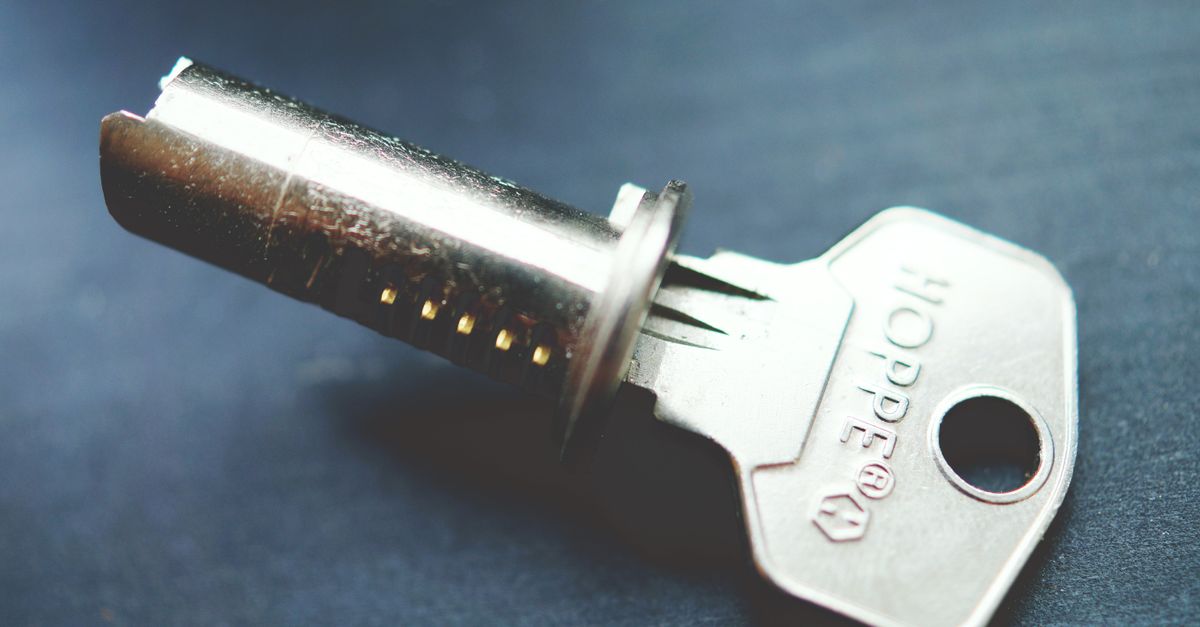
Homeowners sometimes assume that replacing a cylinder means replacing the entire lock, and the surprise that they are different things is worth clearing up. The cylinder is the plug-and-pin assembly that your key directly engages. The lock body — whether it is a cylindrical deadbolt, a knob lock, or a mortise lock — is the larger mechanism that the cylinder sits inside. In most cases, a worn or damaged cylinder can be swapped out while keeping the existing lock body, especially if the body itself is still structurally sound. This is how a locksmith can change a lock's security level without requiring you to buy entirely new hardware or patch new holes in your door.
Full lock replacement makes sense when the lock body itself is bent, cracked, or corroded beyond the cylinder; when you are upgrading from a knob lock to a deadbolt for better security; or when you want to move to a smart lock or keypad format that requires a different mounting footprint. A good locksmith will walk you through both options and let you decide with full information. The goal is never to sell you more work than the situation requires — it is to make sure your Queens home or apartment door is genuinely secure when the job is done.
## How to Make Your New Cylinder Last Longer
Once a fresh cylinder is installed, a few simple habits extend its life considerably. Use graphite powder rather than oil-based lubricants — oil attracts grit and eventually gums up the pin chambers, especially in exposed exterior locks on Queens porches and stoops. Lubricate twice a year: once before winter and once after. Avoid hanging heavy keychains from your house key; the constant downward torque stresses the plug and accelerates wear on the lower pin chambers. If you have a storm door that slams, add a door closer — repeated impact vibration is hard on cylinder collars over time. Finally, always use the correct key. Forcing a slightly wrong key, using a worn key, or using a copy of a copy of a copy all introduce inconsistent pressure that degrades pins faster than normal use.
If a key ever starts feeling stiff again after a fresh cylinder installation, call your locksmith before the problem worsens. Early intervention — whether that is a fresh application of graphite, a minor cylinder adjustment, or catching a door alignment issue before it puts lateral stress on the lock — is always simpler and less disruptive than an emergency replacement or, worse, a lockout.
Frequently asked questions
How do I know if I need to rekey a lock or replace the cylinder entirely?+
Rekeying a lock is the right move when the cylinder is mechanically healthy but you need to change who has key access — after moving in, losing a key, or changing tenants. Cylinder replacement is necessary when the lock shows physical wear, damage, corrosion, or erratic behavior like sticking, spinning, or wobbling. A locksmith can assess your specific cylinder in a few minutes and give you an honest recommendation based on what they find, not a default upsell.
Can a locksmith replace just the lock cylinder on my Queens apartment door, or do they have to change the whole lock?+
In most cases, yes — the cylinder can be swapped independently of the lock body. This applies to standard cylindrical deadbolts as well as mortise lock cylinders common in older Queens buildings. Full lock replacement is only necessary when the lock body itself is damaged or you are upgrading to a completely different lock format. Your locksmith will tell you clearly which applies to your situation before any work starts.
What factors determine the cost of a cylinder replacement?+
The price of a cylinder replacement depends on several things: the type and brand of lock involved (a high-security mortise lock cylinder requires different parts and more labor than a basic deadbolt), whether the job is during regular hours or a night or weekend call, your location within Queens and the travel distance involved, and the specific cylinder and hardware needed. We confirm an exact up-front price before any work begins so there are no surprises on the invoice.
Is there anything I can do myself if my lock cylinder seems stiff before calling a locksmith?+
Yes — start with a dry graphite lubricant, not WD-40 or oil. Insert the key and work it in and out a few times after applying graphite to distribute it through the pin chambers. If the stiffness improves significantly and stays better, the cylinder may just have needed lubrication. If the stiffness returns within a few days, worsens in cold weather, or the key still wobbles or feels wrong, those are signs the cylinder itself needs professional evaluation. Do not force a stiff lock repeatedly — that accelerates internal wear and can snap a key inside the cylinder, turning a simple service call into an extraction job.